A student internship – Part 1. by Grace McNicholas

A student internship – Part 1. by Grace McNicholas

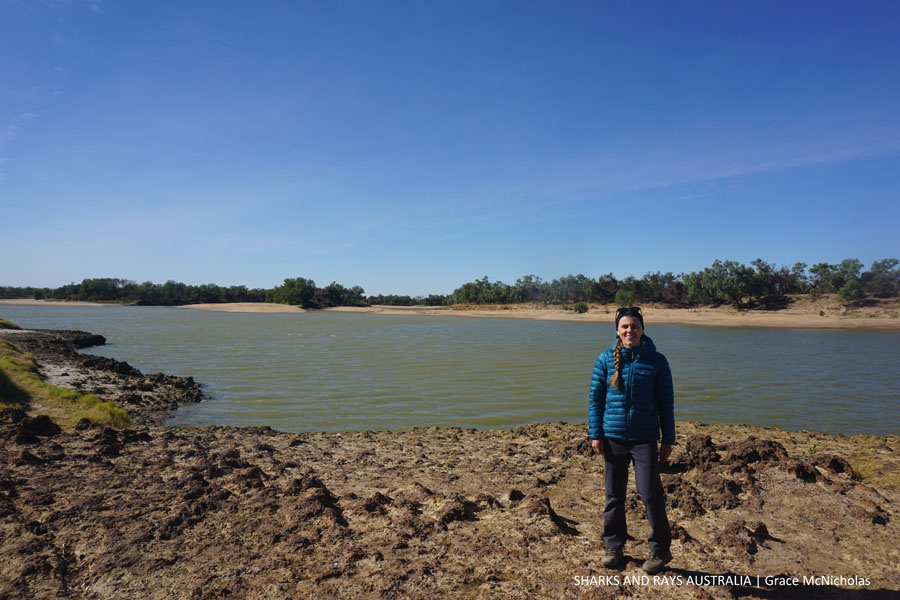
It’s safe to say, each of us were equally as excited to be part of an all-female team representing women in science. Our international research team consisted of myself (Grace), a visiting Master’s student from the University of York (UK), conducting a two-month internship with SARA, Annmarie, a Master’s student from the University of Mississippi (USA) visiting Australia as part of the #SawSearch project, Julia, an Aussie undergraduate student at the University of Wollongong, and of course Dr Barbara Wueringer, principal scientist and founder of SARA.

It was now the middle of August and I had been in Cairns since the beginning of July 2018. As part of my Master’s programme I was required to complete a two-month placement with an external organisation. I had contacted Barbara earlier that year and was lucky enough to secure a project, much to my excitement! After skyping a few times, and brainstorming some ideas, we decided I would investigate the effect of environmental parameters (i.e. temperature, tide, salinity etc) on sawfish distribution. I would be using data collected by SARA over the last 4 years of river systems of the Gulf of Carpentaria. Of course, as grateful as I was to spend two months in sunny tropical Cairns, I couldn’t miss the opportunity to get involved with some data collection myself, so I booked myself onto the two-week Southern Gulf expedition in August and headed down under.

Barbara welcomed me with open arms and we soon began to establish a daily routine working from her home office. I spent my days working through spreadsheets and analysing data under her guidance. When my eyes started to feel a little bit too square and I needed a break, Mr. Jaxy (Barbara’s adorable dog) was always there for a cuddle. I was loving every minute of working on this project, but I couldn’t wait to get into the field and see for myself how the data I’d been using had been collected.

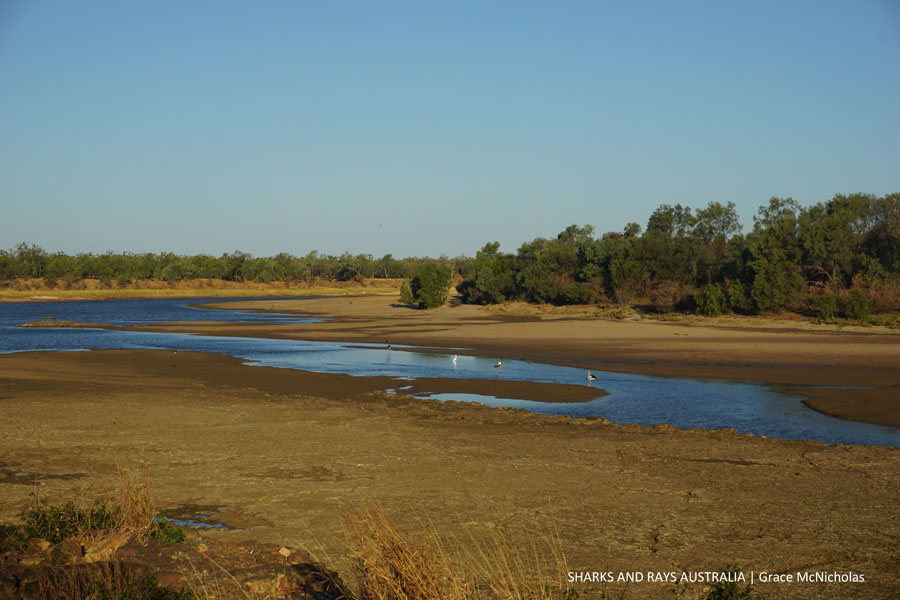
We met on a sunny Monday morning in Cairns and soon began packing up the Troopie and boat trailer with everything we would need to camp and conduct research for the next two weeks. Stuffed to the rafters we set of on our long drive, headed to Normanton on the west coast of Far North Queensland. From there we made our way to the homestead of the large cattle station we had kindly been allowed to camp on. Now as an English girl, I had no concept of what a cattle station is or how big they are. So, for those of you who like me don’t know, picture an American ranch, cowboys and the lot, then add an Aussie twist. We were greeted by the managers daughter and son who gave us directions to a little dirt track which ran parallel to the river and where we would find a clearing we could set up camp. The kids joined us on a sampling session a few days later and proceeded to make fun of me for accidentally calling mustering ‘herding’ and for daring to worry about crocs and snakes.

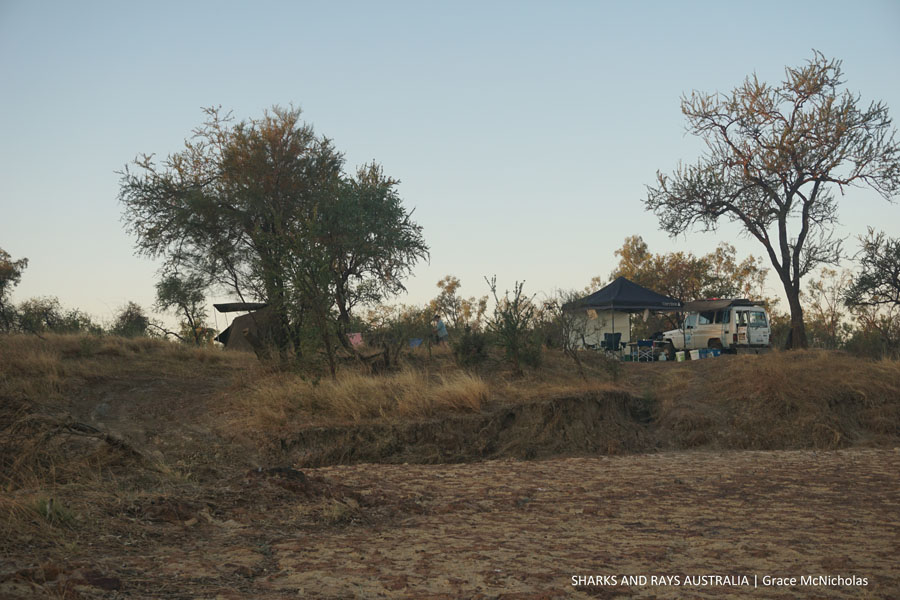
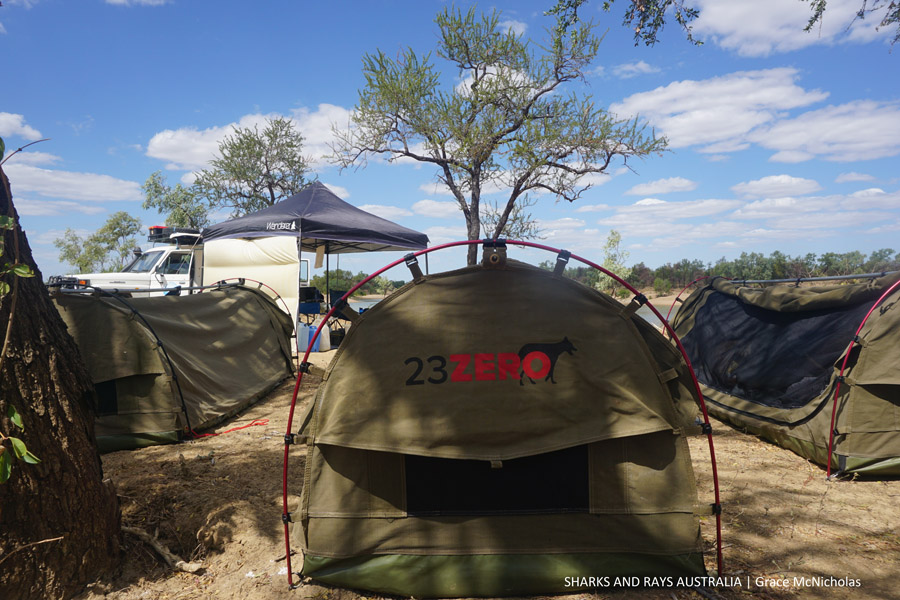
We found the clearing, backed the boat into the river, then after a slight mishap involving a lot of mud, furious shovelling and a tow from the station manager, we were finally ready to set up camp. Being a seasoned expert, Barbara has the whole camp thing down to a fine art. We swiftly erected a large gazebo as a cooking and resting area, two privacy tents (one for our bucket water ‘showers’ and the other for our very luxurious drop toilet), and finally our own private sleeping swags. After dinner, we sat around the campfire chatting and marvelling at the night sky, the buzz of excitement growing for the days ahead.

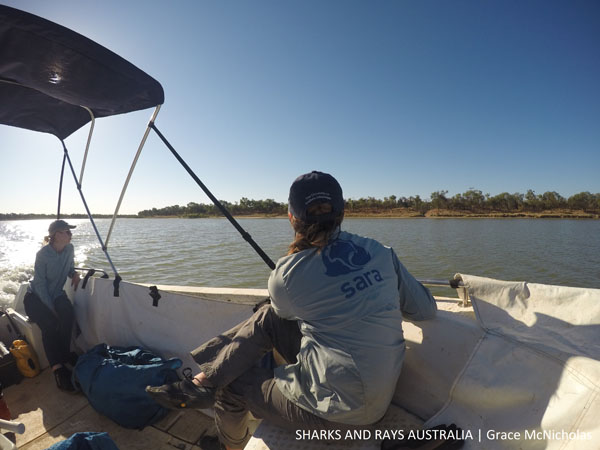
The next day Barbara gave us a research induction and then the four of us set out on our first gillnetting session of the trip. Setting gillnets is an art but after a few questionable first attempts, we soon got to grips with it. Sampling sessions usually consisted of setting two nets, which were checked every 30 minutes. Between checks, we anchored the boat within sight of the nets and kept our fingers crossed we would catch a sawfish, ray or shark. Checking the nets requires some good spatial awareness and team work, carefully lifting the top (float line) and bottom (lead line) out of the water to check the full depth of the net. It’s all hands-on deck during these sessions, untangling and measuring fish, writing down data and photographing animals to assist with later species identification. I went from having no prior gillnetting experience to confidently setting and checking nets after just a few days, testament to being thrown in at the deep end from day one and learning on the go. Most sampling is done very early in the morning or during the cooler evenings, as we choose sampling times based on activity patterns of target species and not our own. We had caught a range of teleost species including bony bream, barramundi and some very cute catfish, but after three days we still had no luck finding any sawfish or other elasmobranchs. We decided to try our luck elsewhere and relocate to different river.

Apparently, the outback had different ideas.

continue to Part 2 here
Sawfish at the Cairns Museum

Sawfish at the Cairns Museum

In August 2018, Sharks And Rays Australia and the Cairns Museum jointly organized a sawfish afternoon at the museum, for National Science Week. Kier Shorey from ABC Far North radio ran a story, and Daniel Bateman wrote an amazing article for the Weekend Post. I am sure that their contributions had lots to do with the huge success of the event, so we would like to thank them for playing such a vital role in helping us reach the public!

More than a month later, we finally finished sampling all the saws from people who responded to the event! This clearly shows that the response was overwhelming and the information collected exceeded our expectations by far!

Here are some of our stats: the Facebook event was viewed 6700 times, and we had 21 people who signed up for it on Facebook, while 100 people were interested. The actual turn out was about 40 people and most of them also went to Dr Wueringer’s talk.

We also had – and this is the most exciting part for SARA – the opportunity to take DNA samples from 48 saws, including 11 saws that were donated to SARA. Moreover, five sightings of live sawfish were submitted to us.

All the DNA samples will be sent to Annmarie Fearing at the University of Mississippi, who will use them for her Masters research project. Many of you met her during the event. The samples will help to identify if and when the genetic diversity held by different species of sawfish decreased. The project also aims to identify which regions globally hold the highest genetic diversity of the different species of sawfish. These regions will then be named as hotspots and should thus be a conservation priority.

For the saws that were donated to SARA we have big plans as well, which we are currently discussing with the Department of Agriculture and Fisheries in Queensland. While we use some saws for our school visits, we want to see the other saws on display in tourist information centres, museums and pubs in Far North Queensland and the Cape York region. Displaying these saws together with information on the conservation of sawfish and where to submit sightings means that these former trophies can become active contributors to sawfish conservation in Queensland!

So with this I would like to thank everybody who made this event possible and who responded to our call and brought their saws in. I would also like to thank Grace McNicholas from York University for helping with the sampling and Annmarie Fearing for involving SARA in her project.

This project is ongoing, so if you have a saw at home that we hve not sampled yet, then please get in touch!

a

Sawfish – the forgotten sea monsters

Sawfish – the forgotten sea monsters

Sharks And Rays Australia and the Cairns Museum are teaming up for National Science Week 2018 and we’re asking you to help us to gather information on the occurrence of some of the largest but rarest fish in Far North Queensland’s waters!

Sawfish were once common in coastal tropical and subtropical waters around the world, but now they are considered the most endangered family of all sharks and rays globally. The freshwater sawfish Pristis pristis, which is also often called the largetooth sawfish, was recently listed as one of the 100 most endangered species on the planet by the IUCN (International Union for the Conservation of Nature). This is just one of four species of sawfish that are found in the waters of Far North Queensland.

During the afternoon, Dr Barbara Wueringer, the lead scientist and founder of SARA, will be giving a public talk on all things sawfish, including their biology, local history, current situation and threats. Their cultural importance for Indigenous groups in Australia and elsewhere will also be highlighted. Dr Wueringer will be joined by Ann-Marie Fearing from the University of Southern Mississippi and the Sawfish Conservation Society, who will shed light on how a tiny DNA sample from an old saw that you might have at home can help our conservation efforts for sawfish.

Do you have a saw at home? Please bring it with you to the talk! We would like to take measurements, small tissue samples for genetic analysis and hear the story of where it came from. You will receive a certificate that your saw has been sampled, complete with a sample number, which will allow us to report our findings back to you. Please do not attempt to remove a saw from a live sawfish for this!

When: August 11, 2018 from 1pm until 4 pm. Dr Wueringer’s public talk will be held at 1.30pm and repeated at 2.30pm.

Where: Cairns Museum, Cairns School of Arts building, Cnr Lake and Shields St, 93-105 Lake St, Cairns City QLD 4870

Cost: free


Confirm your attendance through our Facebook event here!

you can also find the National Science Week event page here!

Please direct all interview inquiries to barbara@saw.fish

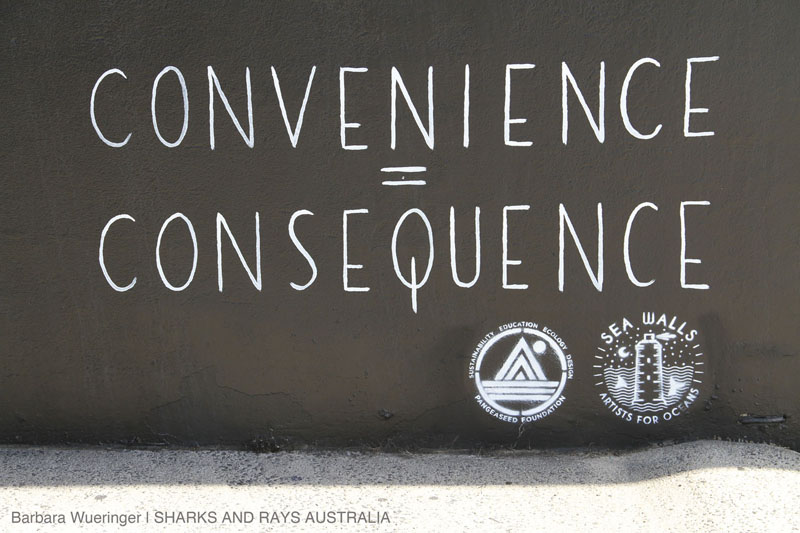
When art meets conservation

When art meets conservation

When I heard that Pangea Seed Foundation was considering to use Cairns as the canvas for their first Australian Sea Walls event, I was really excited. The foundation had been doing amazing work over many years, and after meeting Akira Biondo at a conference on sharks and rays in Berlin, Germany in 2012, I was one of their keen followers. Pangea Seed is the brainchild of Tre Packard and his wife Akira, and funds raised through are used to inspire marine conservation in children. One of the big topics the foundation took on was to teach children about shark finning.

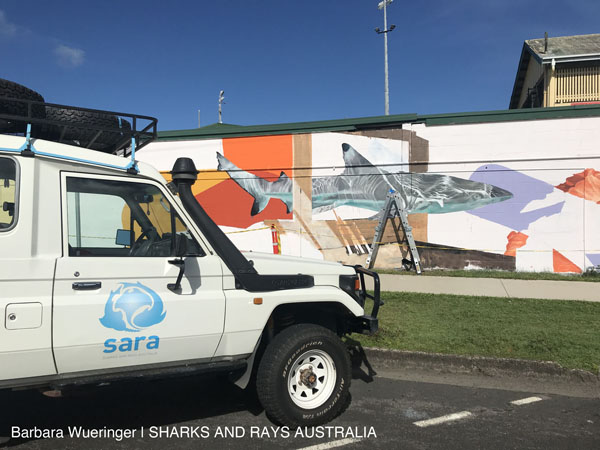
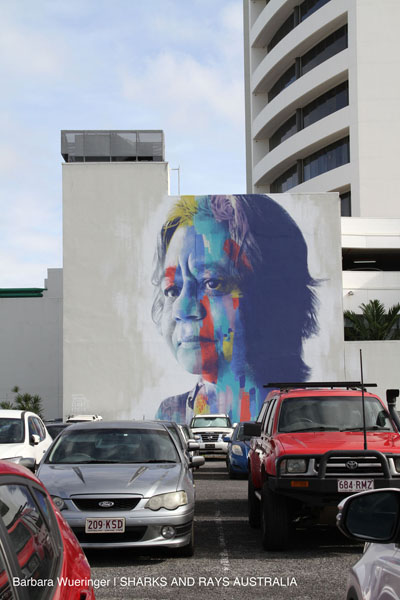
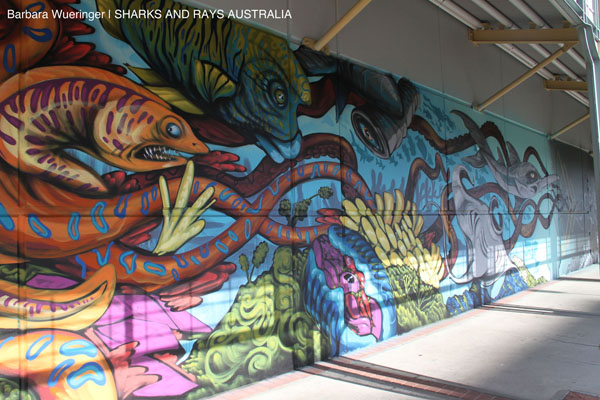
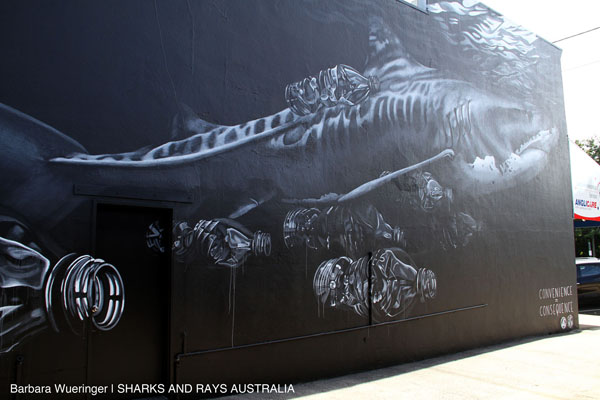
Their work in schools is inspiring, but also is the artwork. The event in Cairns brought together 20 mural artists, both internationally acclaimed as well as locally famous. Various events were organised to inspire their murals, and this is where Sharks And Rays Australia got involved. After all, a mural of a sawfish can reach hundreds of thousands of people from around the world, if placed in the right location in Cairns!

At the beginning of May, I returned early form a field trip in the Northern Gulf of Carpentaria, to join a panel discussion with the artists and founders of Pangea Seed at the Cairns Tanks Arts Centre. Some of the points raised during this discussion were how art can change people’s perceptions of animals. For example, sharks are generally perceived to be dangerous, but a mural of a shark can be perceived to be beautiful, and it is this moment in which the observer’s mind opens, and becomes receptive and curious to the possibility that the long hold perception of the mindless killer might be wrong.

Below you will find the map of murals that were produced across Cairns, I hope you enjoy them for years to come.


Saws

Saws

This blog post was originally published as a project update for the Save Our Seas Foundation. You can access the original post here.

Sometimes working with endangered species can be difficult. Personally, I have a lot of respect for my fellow elasmobranch biologists who collect samples and sightings data from fish markets and other locations that bring you close to only body parts of the species you are working so hard to protect.

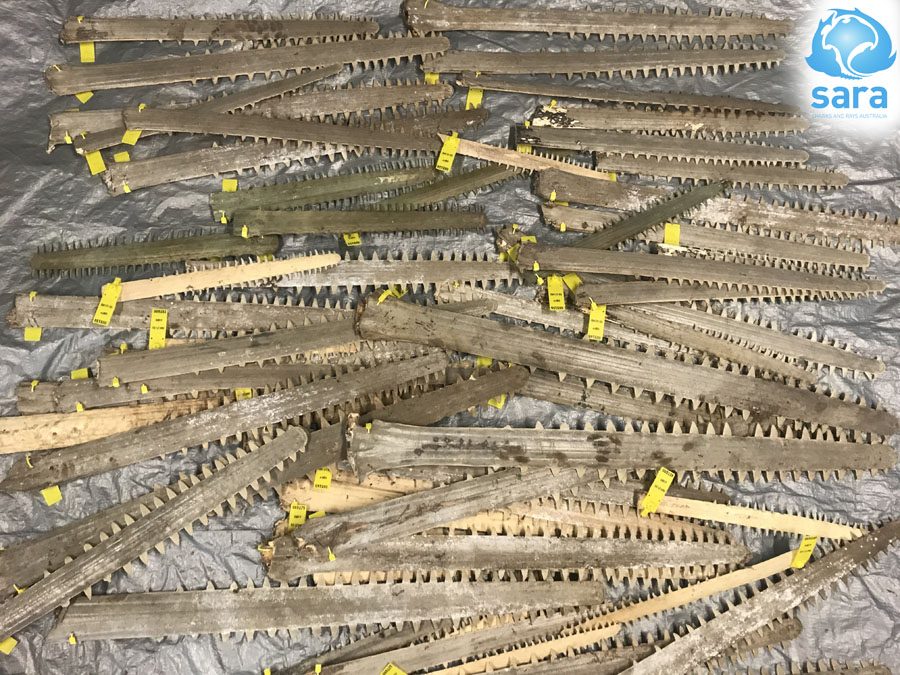
Last week I received a set of saws that Queensland Fisheries had confiscated. The previous owner of these had received a fine for possession without a permit. It is likely that many of these saws had been taken before sawfish had been protected. But it is also likely that the saws represent a subset of what he collected, the subset that he was not yet able to sell.

The saws will be used for research and education. DNA samples and measurements will be taken, and some of the saws will be used for school visits. But these saws will also guide future sampling efforts. Being an optimist, I am hoping they might lead us to a remnant population of a Pristis species on Queensland’s east coast, in a location where potentially even the populations of Anoxyrpstis cuspidata might still be healthy.

SeaWalls 2018 Welcome

SeaWalls 2018 Welcome

SARA welcomes the Sea Walls artists to Cairns!

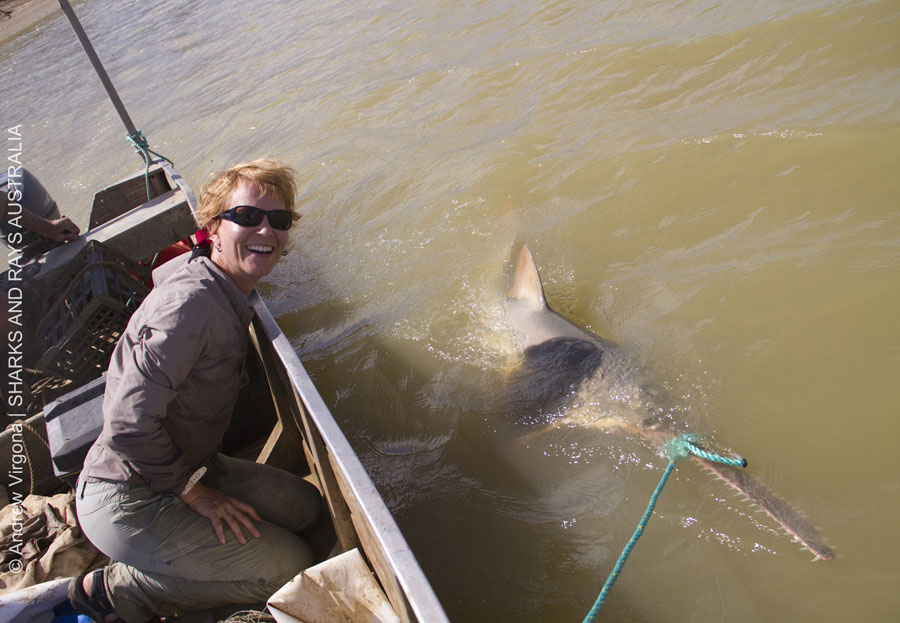
Here, at Sharks And Rays Australia we are super excited to have you wonderful people visit Cairns on your inspirational mission to create artwork for marine conservation! My name is Barbara and I am the Director and Principal Scientist of SARA. In the image to the right you can see me doing what I love, which is working with and raising awareness for SAWFISH.

Sawfish used to be quite common here in Far North Queensland, but nowadays they are rare. Globally their chances are even worse and the freshwater sawfish, Pristis pristis, is considered to be amongst the 100 most endangered species in the world. Given that their reduction in numbers has a lot to do with people taking the saws as trophies (I think this makes sawfish our own aquatic rhinos, sadly), raising awareness for sawfish is one of the most important things we can do to ensure these magnificent animals will exist into the future.

I’ve created this page for you to get you excited about sawfish! I hope you enjoy the materials below. I will meet you all at the forum at the Tanks Arts Centre on may 3, for which I return  early from a field trip. if you have any questions about sawfish, please get in touch barbara(at) saw.fish

Thank you for choosing Cairns as the canvas for your art!

cheers,

Barbara

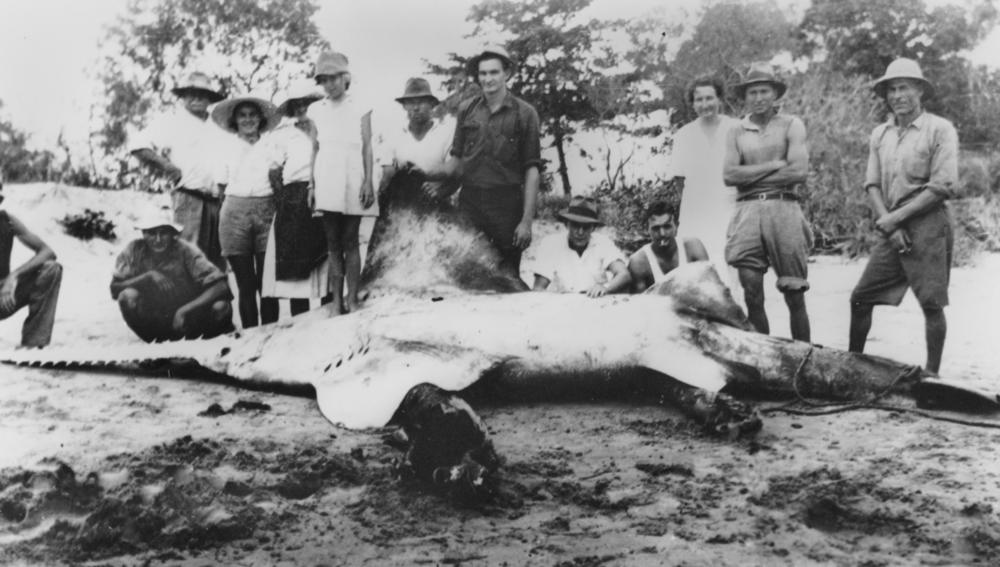
Check out this image above from the State Library of Queensland of a sawfish that was caught at the mouth of the Mulgrave River, just south of Cairns, in 1938. Sawfish generally inhabit shallow waters, but these large animals are hardly encountered anymore. This breaks my heart, just imagine how amazing it would be to see such a creature!


Now let me take you on a journey to Northern Queensland, where we work with sawfish and other sharks and rays!

Below you can watch our video on the saw-less sawfish. People chopping off the saws of live sawfish for trophies seems to become an issue in Queensland. SARA’s data collected over the last 2.5 years indicates that 5-10% of all sawfish we have captured our captures that have been submitted to us are sawless. A study by our collaborators form WA, Team Sawfish indicates that these animals can take up to 3 months to starve to death.

Here is another video by Jeremy Wade’s show RiverMonsters from WA, where he captured a happy little sawfish pup in the Fitzroy River

Here is another educational video from our colleagues at NESP in the NT. Enjoy!

Last but not least you can read some more about Australian sawfish in an article written by my colleague and friend Nicole Phillips (she works on sawfish genetics) and myself. You can access the article here.

Have you heard that a sawfish was found 700km inland in the Northern Territory? Here is a link to the ABC article. It also shows some amazing rock art of sawfish. I recently spoke with an Indigenous Ranger who told me about sawfish rock art in the Laura region, 4 hrs north of Cairns, indicating the cultural importance of these animals to the Great Barrier reef region. Below is an image of a sawfish from Burketown, in the Southern Gulf region.